Posts

如何探索峇峇娘惹文化 - 老峇峇的 "Brown" 底茶杯

Image
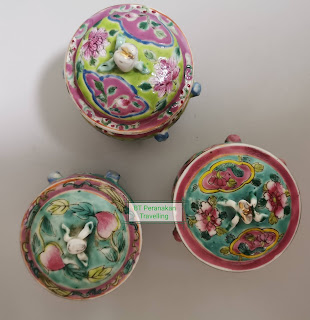
 大家好, 谢谢大家浏览我的专栏                                                                                如有什么意见,可以留下意见。我会在短期里回复你。  哈哈~对不起迟来的如何探索娘惹文化,这一集跟上几集有所不同,哪里不同呢?就是这集会跟大家了解峇峇娘惹褐色底陶瓷的秘密" Haha~ Sorry for being late to explore the Nyonya culture. This episode is different from the previous episodes. How is it different? This is the to learn up about the secrets of Baba Nyonya brown ceramics" 最近收到很稀有的娘惹瓷,陶瓷的颜色很特别在市场上也是不怎么会常见到的色底娘惹瓷。这就是Brown/褐色底的陶瓷。为什么我说是稀有?自我所知褐色底的陶瓷都是来自当年马六甲峇峇家族。如我们有槟城峇峇家族的土耳其绿的陶瓷,所以褐色和深色的娘惹瓷都有可能是来自马六甲峇峇家族。(个人看法) Recently, I have received very rare Nyonya porcelain. The color of the porcelain is very special, and it is not very common in the market. This is the Brown base nyonyaware. Why do I say it is rare? As i know the brown ceramics are original from the Baba family ...
如何探索峇峇娘惹文化 - 老峇峇的 ”Olive green“ 茶杯

Image
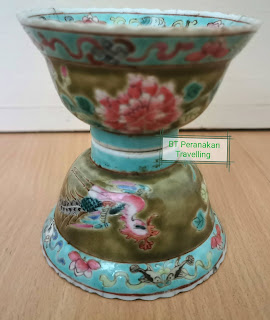
 大家好, 谢谢大家浏览我的专栏                                                                                如有什么意见,可以留下意见。我会在短期里回复你。  哈哈~对不起迟来的如何探索娘惹文化,这一集跟上几集有所不同,哪里不同呢?就是这集会跟大家了解峇峇娘惹色底陶瓷的秘密" Haha~ Sorry for being late to explore the Nyonya culture. This episode is different from the previous episodes. How is it different? This is the gathering to learn about the secrets of Baba Nyonya ceramics" 最近收到很稀有的娘惹瓷,陶瓷的颜色很特别在市场上也是不怎么会常见到的色底娘惹瓷。这就是Olive green颜色的陶瓷。为什么叫Olive green ? 因为看起来不像土耳其绿,这种颜色看起来有点绿+褐色。所以烧出来的颜色看起来很像橄橪绿颜色。 Recently, I have received very rare Nyonya porcelain. The color of the porcelain is very special, and it is not very common in the market. This is the ceramic in Olive green color. Why is it called Olive green? Because it doesn't look like turquoise green, this color looks littl...

如何探索峇峇娘惹文化 - “娘惹Sambal Belacan”

Image
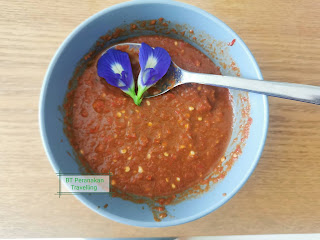
 大家好, 谢谢大家浏览我的专栏。 如有什么意见,可以留下意见。我会在短期里回复你。 这是我跟NyaNya学做的“Sambal Belacan” 希望你们会喜欢~ This is the "Sambal Belacan" I learned from NyaNya, I hope you guys will like it~ 话说Samabl Belacan在峇峇家族是不会少的配食,同时峇峇娘惹们都会要有Sambal Belacan来配饭菜吃。这是从前的峇峇家族的习惯,可是现代的峇峇家族们都不会常看到sambal belacan在桌上了。因为现代的峇峇娘惹们都不会自己做sambal belacan.  In other words, Sambal Belacan is a favorite in the Baba family. At the same time, the Baba Nyonya will have eat Sambal Belacan together with their meals. This is the habit of the Baba family in the past, but the modern Baba family will not often see sambal belacan on the table. Because modern Baba Nyonyas do not make sambal belacan by themselves. 其实自己也可以做sambal belacan,一点也不会难。为什么我这样说呢 ?因为只有几种材料和做法就可以做出美味又好吃的sambal belacan.  所以今天我就来教你如何做古早味的sambal belacan. In fact, you can make sambal belacan by yourself, it's not difficult at all. Why do I say so? Because there are only a few ingredients and step to make the delicious sambal belacan. So today I will teach you how to make ...

如何探索峇峇娘惹文化 - “娘惹糕点之Ang Ku Kueh”

Image
 大家好, 谢谢大家浏览我的专栏。 如有什么意见,可以留下意见。我会在短期里回复你。 这是我跟NyaNya学做的“Ang Ku Kueh” 希望你们会喜欢~ This is the "Ang Ku Kueh" I learned from NyaNya, I hope you will like it~ 未开始讲解Ang Ku Kueh的用意,Ang Ku Kueh(红龟糕)也是常见在巴刹里华人档里摆卖糕点。Ang ku Kueh经常是用来初一,十五祭拜。同时也是结婚+满月时会有的糕点。Ang Ku = 红旺,是喜事的代表~Ang Ku Kueh里的馅料通常是绿豆,可是现代的改变有些Ang Ku Kueh馅料会改成椰丝。也有时把Ang ku的红色外皮,改成绿色,紫色,橙色等等。所以Ang Ku Kueh在峇峇娘惹家庭也会看到,因为峇峇娘惹们也时保留了华人文化。用Ang ku kueh来祭拜神明和祖先。 Before explaining the purpose of Ang Ku Kueh, Ang Ku Kueh (red tortoise cake) is also commonly sold in Chinese stalls in the market. Ang ku Kueh is often used to pray on first day of month and fifteenth day of the chinese calendar. At the same time, it is also a cake that you will have when you get married + full moon. Ang Ku = Hongwang, is the representative of happy events~ The fillings in Ang Ku Kueh are usually mung beans, but some modern changes will change some Ang Ku Kueh fillings to coconut shreds. Sometimes the red skin of Ang ku is changed to green, purple, orange an...

如何探索峇峇娘惹文化 - 大大碗一个

Image
 大家好, 谢谢大家浏览我的专栏                                                                                如有什么意见,可以留下意见。我会在短期里回复你。  哈哈~对不起迟来的如何探索娘惹文化,这一集跟上几集有所不同,哪里不同呢?就是这集会跟大家了解峇峇娘惹大小碗陶瓷的秘密" Haha~ Sorry for being late to explore the Nyonya culture. This episode is different from the previous episodes. How is it different? This is to learn about the secrets of Baba Nyonya ceramic bowls" 我相信大家对峇峇娘惹们的白底粉边的认识也不少,可是你们又知道白底粉边的碗同时也有不同的设计和碗的大小用途。为什么会有不同的设计?这是来自不同的厂家的员工们的画工。所谓的不同的设计,是哪里不同呢 ?其实不同的地方,并不多那就是在以凤凰的画工跟摆设。所以有不同的厂家就会有不同的设计,这是因为每个人的思想也不一样。所以你会遇见有些碗里的凤凰都是飞着的,哪里不同 ?就是凤凰飞行时的脚的姿势,有些时双脚往后,有些单脚往后。同时加上量多牡丹花,一朵是红色,另一朵是水蓝色。 I believe that everyone knows a lot about the white powder edges of the Baba Nyonya, but you also know that the white powder edge bowls also have different designs and bowl sizes...

如何探索峇峇娘惹文化 - 不同设计的盘

Image
 大家好, 谢谢大家浏览我的专栏                                                                                如有什么意见,可以留下意见。我会在短期里回复你。  哈哈~对不起迟来的如何探索娘惹文化,这一集跟上几集有所不同,哪里不同呢?就是这集会跟大家了解峇峇娘惹大小盘陶瓷的秘密" Haha~ Sorry for being late, how to explore Nyonya culture, this episode is different from the previous episodes, where is it different? This is the gathering to learn about the secrets of Baba Nyonya ceramics."             我相信大家对峇峇娘惹们的白底粉边的认识也不少,可是你们又知道白底粉边的盘同时也有很多不同的设计和盘的大小用途。为什么会有不同的设计?这是来自不同的厂家的员工们的画工。所谓的不同的设计,是哪里不同呢 ?其实不同的地方,并不多那就是在以凤的画工跟摆设。所以有不同的厂家就会有不同的设计,这是因为每个人的思想也不一样。所以你会遇见有些盘里的凤都是站立的,有些是飞起来头往右边看,有些就是飞得很害羞的往左边看,同时也有些是没有凤的而只有牡丹花。 I believe that everyone knows a lot about the white base with pink boarder plate, but you also know that the white base pink boarder plat...

如何探索峇峇娘惹文化 - 小盖盅(Baby Kamcheng)

Image
 大家好, 谢谢大家浏览我的专栏                                                                                如有什么意见,可以留下意见。我会在短期里回复你。  哈哈~对不起迟来的如何探索娘惹文化,这一集跟上几集有所不同,哪里不同呢?就是这集会跟大家了解峇峇娘惹盖盅陶瓷的秘密" Haha~ Sorry for being late to explore the Nyonya culture. This episode is more different compare to the previous episodes. How is it different? It’s will explain more detail to everyone and hope everyone to get learn about the secrets of Baba Nyonya Ceramics" 我相信大家一定懂峇峇娘惹的盖盅,同时也是人们叫Kamcheng(感情的意识)。什么是盖盅 ?这就是有盖加上类似盅的身体,所以才成为了人人皆知的娘惹盖盅(Kamcheng)。可是通常我们在市场或拍卖会上所看到的盖盅都是中或大的尺寸,通常中或大的盖盅(Kamcheng)是用来储存食物的用途。所以在以前富裕的峇峇家族里,会常看到的盖盅(Kamcheng) 都会出现在厨房里。除此之外,中和大的盖盅也是娘惹们出嫁的嫁装之一。 当时的年代是不会把厨房用具来摆设,如现代的人。 I believe that everyone must understand the Baba Nyonya lid cup, and it is also called Kamcheng (awareness of emoti...